Kathmandu – Nepal’s Muslim community has stepped up humanitarian assistance for people affected by floods and other disasters across the country, with religious institutions, community organisations and individuals contributing relief materials and funds in what community leaders describe as an example of national solidarity.
Nepal has been facing a difficult period following severe flooding and related disasters, particularly in the northern district of Rasuwa and other affected areas. The crisis has prompted people from different religious and ethnic communities to mobilise support, reinforcing a longstanding tradition of collective response to natural disasters in the Himalayan nation.
Muslim religious leaders, including ulama, imams and Maulanas, as well as Muslim organisations and social activists, called for a nationwide “Relief Assistance Campaign from Mosques”. The campaign encouraged mosques, madrasas and local Muslim communities to collect essential supplies and financial contributions for disaster victims.
Communities in the southern plains and other parts of Nepal responded by collecting rice, lentils and other essential items, while individuals and organisations contributed directly to relief efforts and the government’s disaster relief fund. The campaign also received support from Nepali citizens working abroad, expanding the reach of the humanitarian response beyond the country’s borders.
Among those involved were Muslim organisations and madrasas in Jhapa, including the Muslim Samaj Development Foundation, Mechi Anjuman Islamia Madrasa and Kankai Muslim Society. Similar initiatives were reported in Butwal, Palpa, Baglung, Tanahun and Pokhara, where local mosques, madrasas and community organisations mobilised resources for flood victims.
In Kathmandu, Khusibu Manav Kalyankari Sanstha and Asian Leather Family also contributed to the campaign, while Nepalis living in Saudi Arabia provided additional support. The Sunsari Muslim Society in Qatar, Hidayat Educational and Welfare Trust in Inaruwa, Muslim youths in Barju and Dewanganj, and Jamia Islami Chharapatti in Lahan were also involved in relief efforts.
In western Nepal, mosques and Muslim communities in Nepalgunj, Kohalpur and Bardiya collected funds and other assistance. Muslim communities in Birgunj, Janakpur, Kapilvastu, Siddharthanagar, Rautahat and Mahottari also joined the campaign through financial contributions and relief materials.
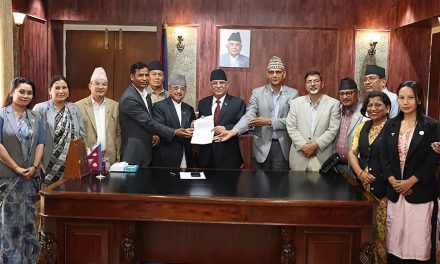
A significant contribution came from Sunsari Muslim Society, which deposited Rs 62.45 million into the Prime Minister’s Disaster Relief Fund, according to the figures provided by the organisation. The Sunsari Muslim Society Qatar also contributed Rs 400,000 in support of the campaign.
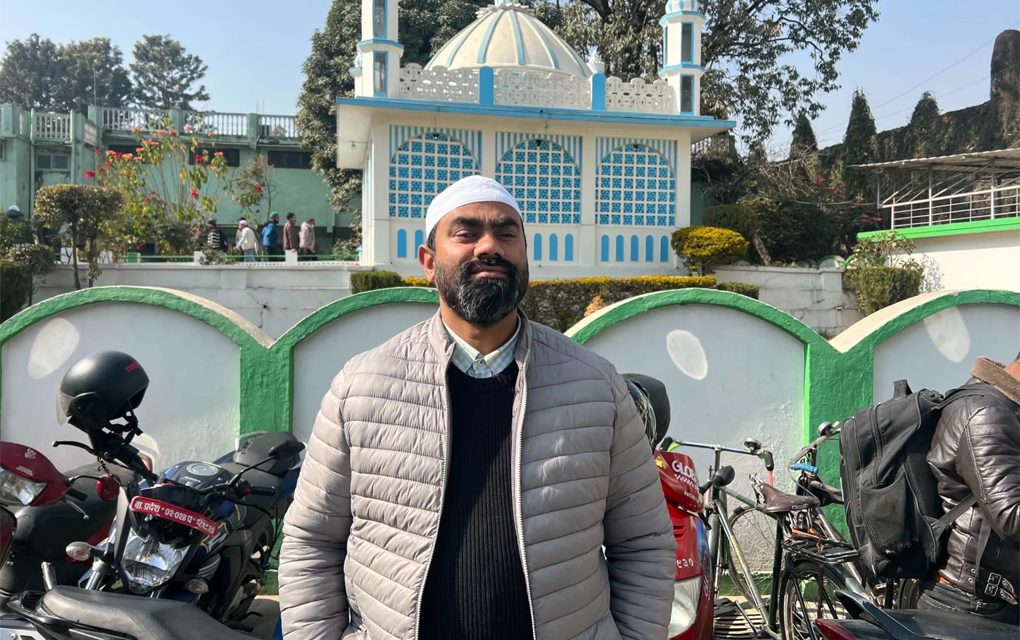
Dr Abul Hussain Ansari, who wrote the original commentary on the campaign, said the community’s response should extend beyond disaster relief and evolve into longer-term social initiatives. He called for mosques and madrasas to be used as platforms for awareness campaigns against drug abuse, dowry practices, child marriage, domestic violence, illiteracy and other social problems.
The mobilisation has also renewed discussion about the role of community-based institutions in strengthening social cohesion in Nepal, where people from different religious, ethnic and linguistic backgrounds have historically joined hands during earthquakes, pandemics, cold waves, floods and landslides.