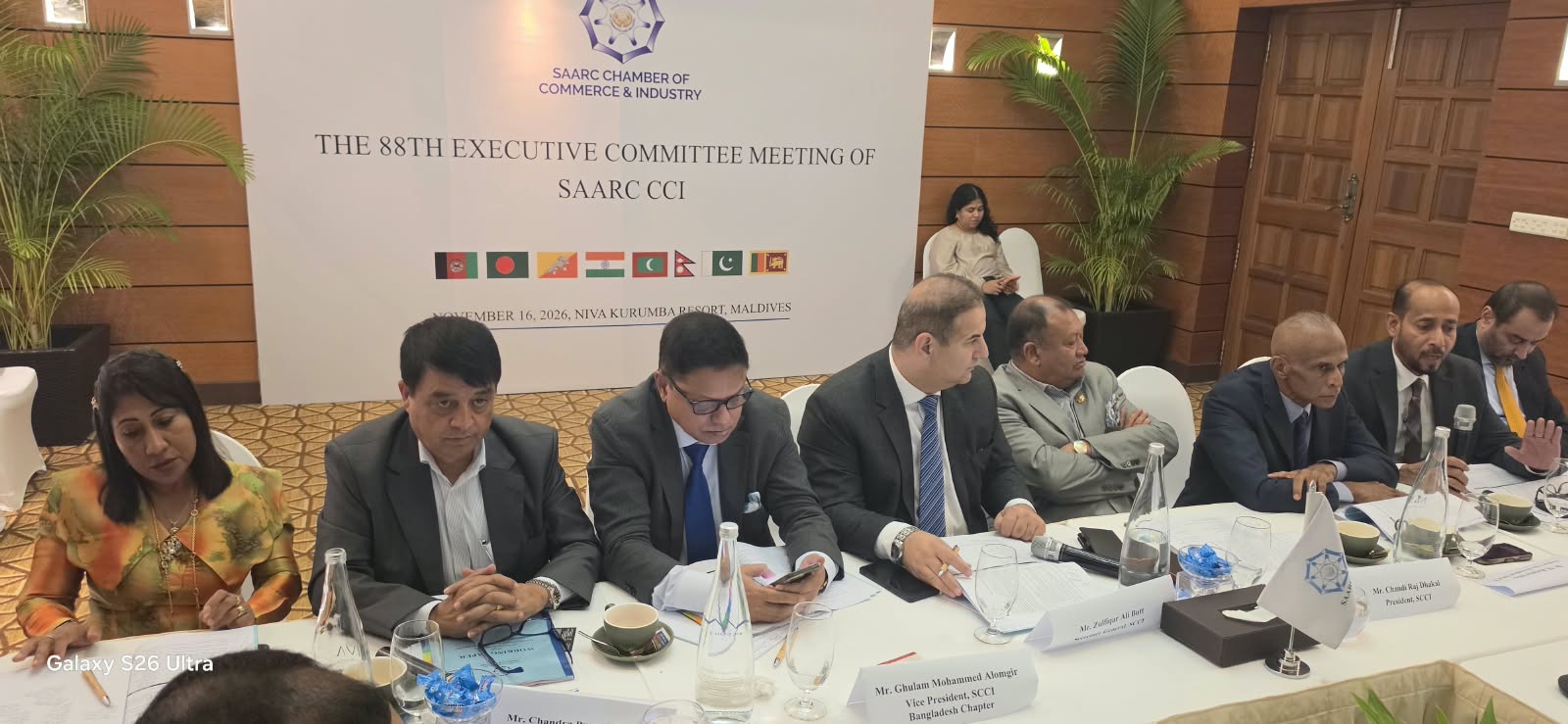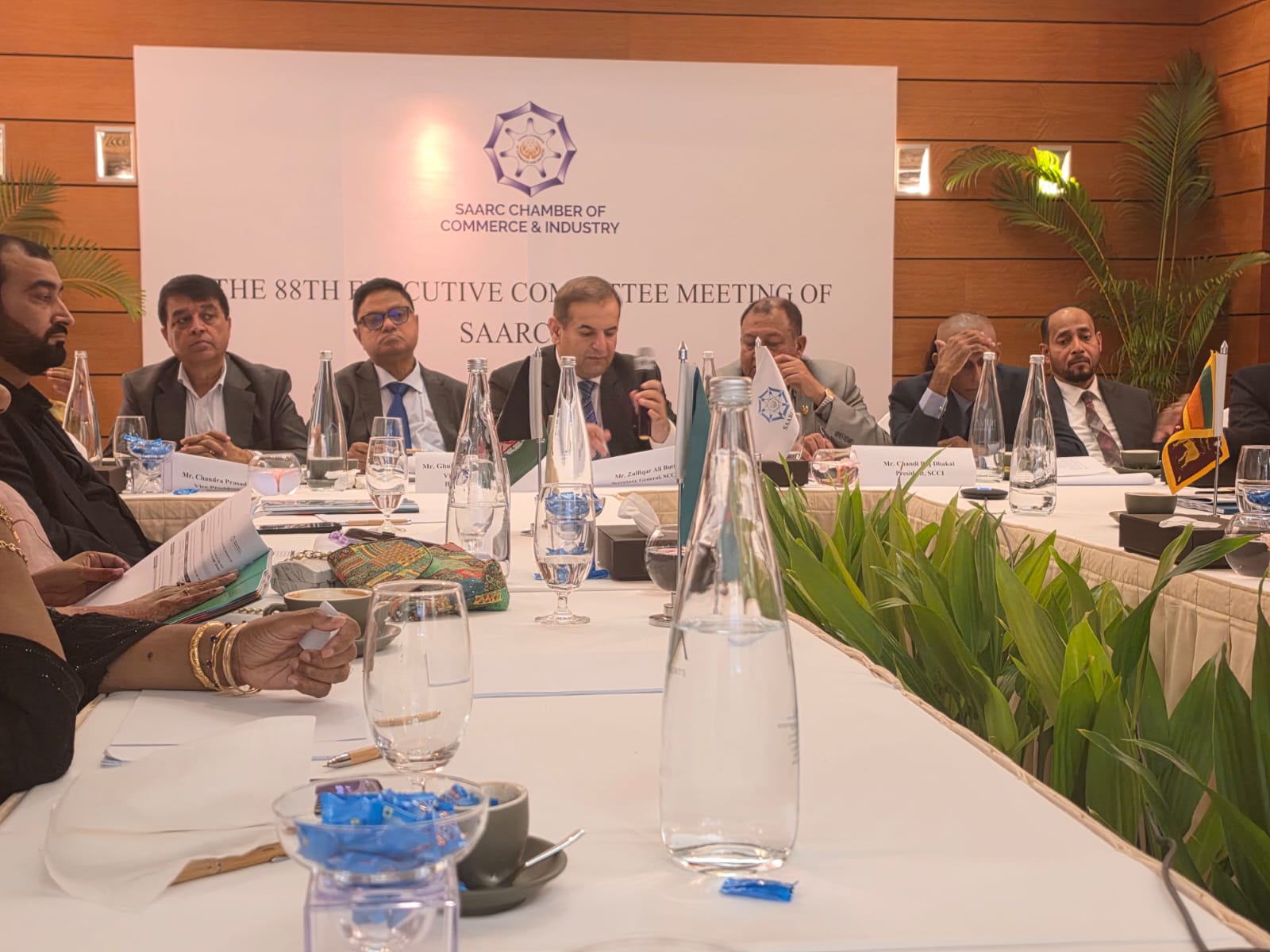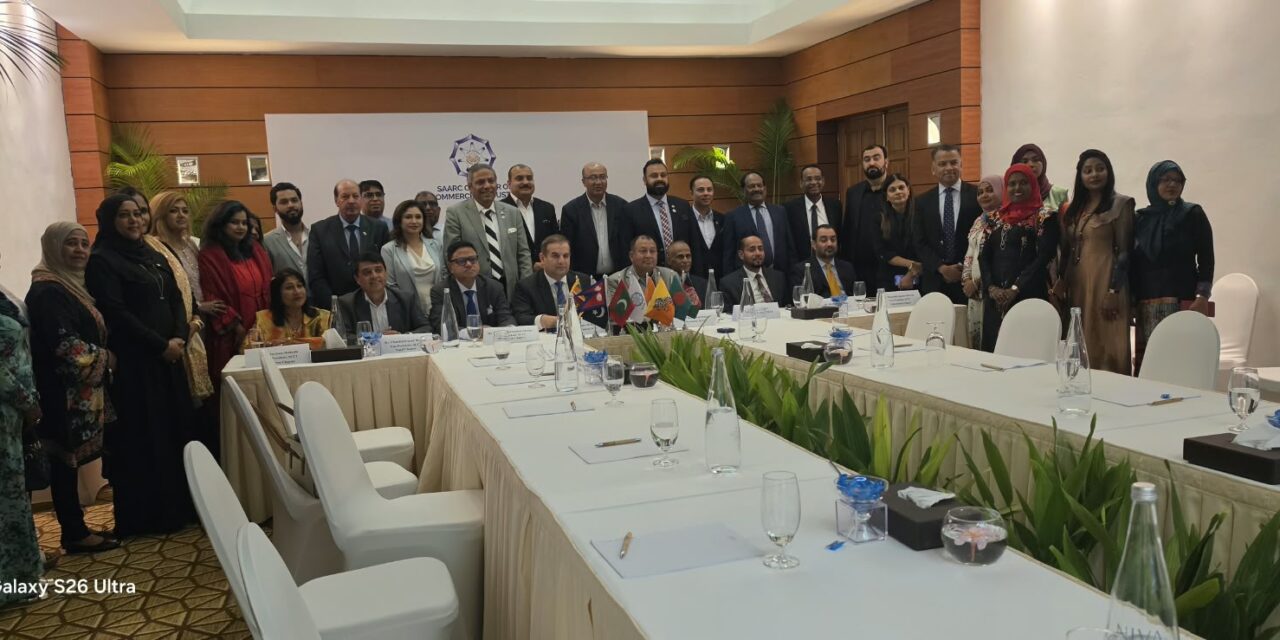
Chandra Prasad Dhakal has been appointed as the Coordinator of the Tourism Committee of the SAARC Chamber of Commerce and Industry (SAARC CCI). The 88th Executive Committee meeting of the SAARC Chamber, held in the Maldives, entrusted him with this responsibility.
Dhakal, who also serves as the Immediate Past President of the Federation of Nepalese Chambers of Commerce and Industry (FNCCI), is the Chairman of the prestigious Nepali business conglomerate, IME Group. He is widely recognized for developing tourism infrastructure across all seven provinces of Nepal—including Chandragiri Hills—as well as being an investor in the homegrown hotel chain brand, Ila.
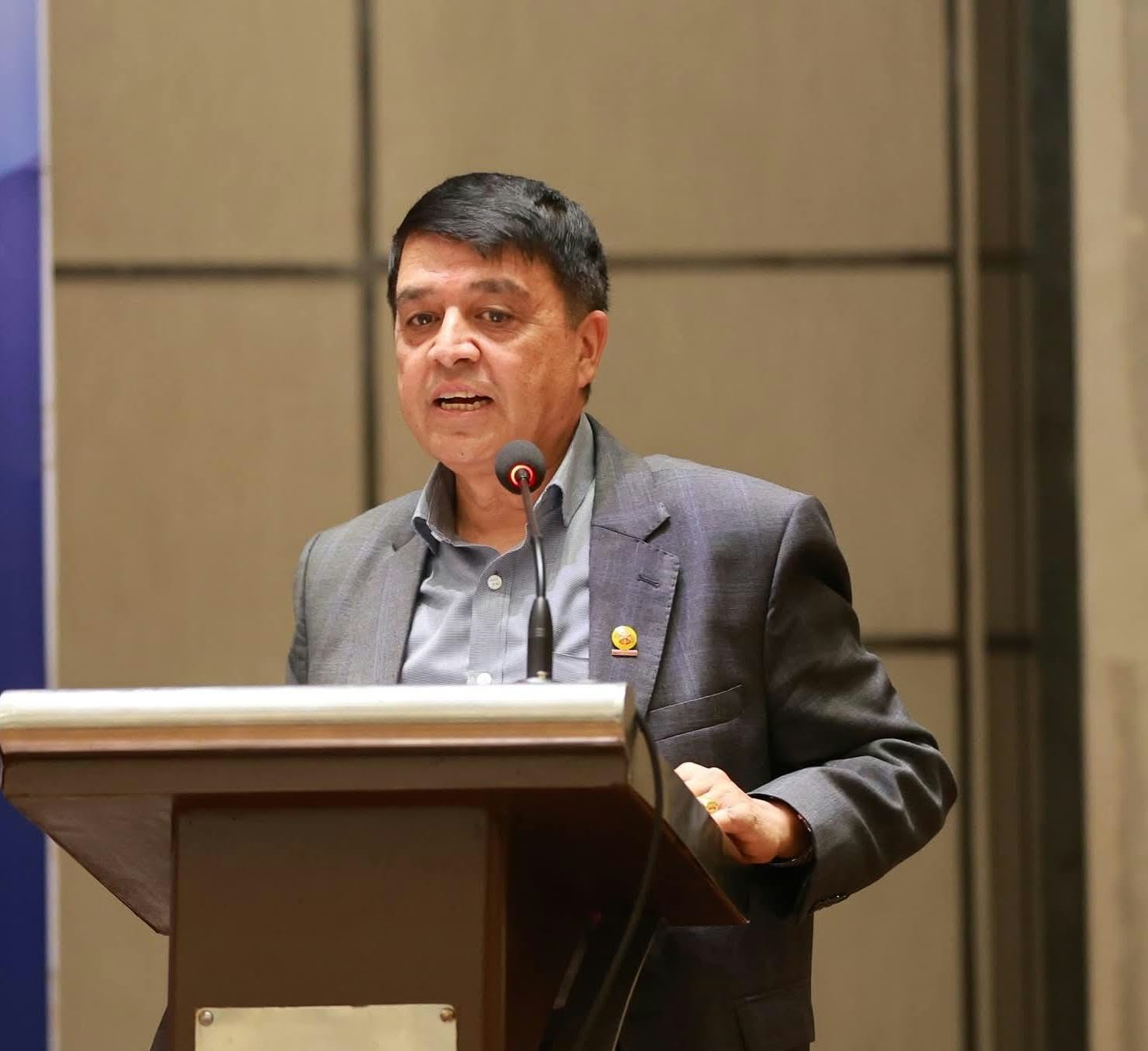
Coordinator Dhakal stated that because South Asia’s geographical structure and cultural diversity are unique in the world, the region can be developed into one of the world’s premier tourist destinations. According to him, from the Himalayan range of the highest peak, Mount Everest, to the islands of the Indian Ocean, vast beaches, forests, deserts, and rich religious and historical heritage, the region holds immense tourism potential.
Noting that South Asia, home to about one-fourth of the world’s population, is in itself a massive domestic tourism market, he said that upgrading tourism infrastructure and expanding investment across the entire SAARC region are essential to turn this potential into reality.
Emphasizing the need to create an environment where renowned hotel and hospitality brands from the region can expand into one another’s countries, Coordinator Dhakal said, “Expanding cross-border investment supports the exchange of knowledge, skills, and technology alongside capital. In the context of Nepal as well, investors and established hotel chains from SAARC nations can be attracted to our tourism infrastructure, connecting Nepali hospitality expertise at the regional level.”
He pointed out the need to launch an intra-regional tourism campaign with the spirit of ‘Travel Within SAARC’ to promote regional tourism. He believes that by creating shared tourism circuits and packages covering destinations across various countries, mutual exchange in religious, cultural, eco-, and adventure tourism can be increased.
Mentioning that seamless connectivity is the primary foundation of regional tourism development, he stated that expanding direct air and land routes between major cities of SAARC nations would accelerate the movement of tourists, entrepreneurs, and investors. In this context, he expressed confidence that connecting Nepal’s international airports with major SAARC destinations via direct flights would significantly bolster regional tourism promotion.
Stating that strong collaboration between the governments and the private sectors of SAARC nations is mandatory to achieve these goals, Coordinator Dhakal noted that regional forums like the SAARC Chamber can act as a bridge for policy coordination and business partnerships.
He also expressed his commitment to playing a result-oriented role for the shared tourism development and prosperity of South Asia as a whole.