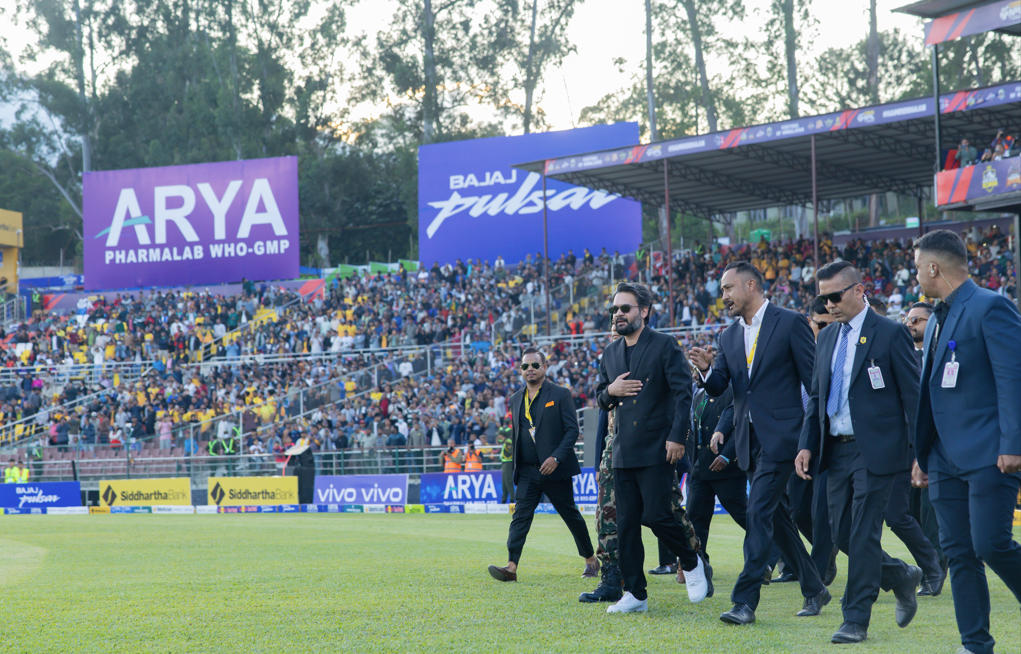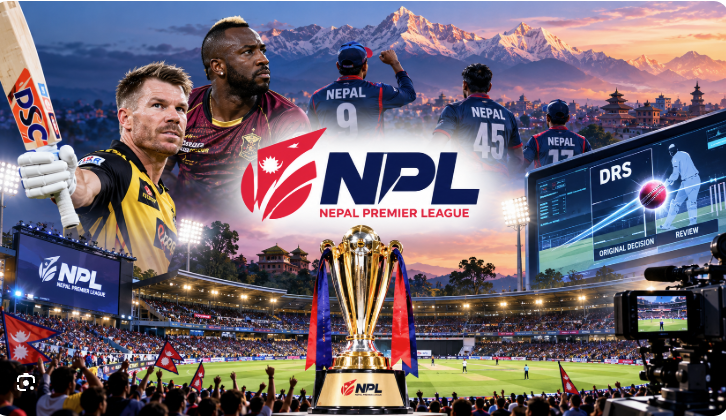
Kathmandu- Nepal’s cricketing ambitions are entering a new phase as the third edition of the Nepal Premier League (NPL) gets underway, bringing together international cricket stars, emerging Nepali talent, and growing commercial investment. Running from October 26 to November 21, 2026, the tournament represents another significant step in Nepal’s journey toward becoming a recognised destination for international cricket.
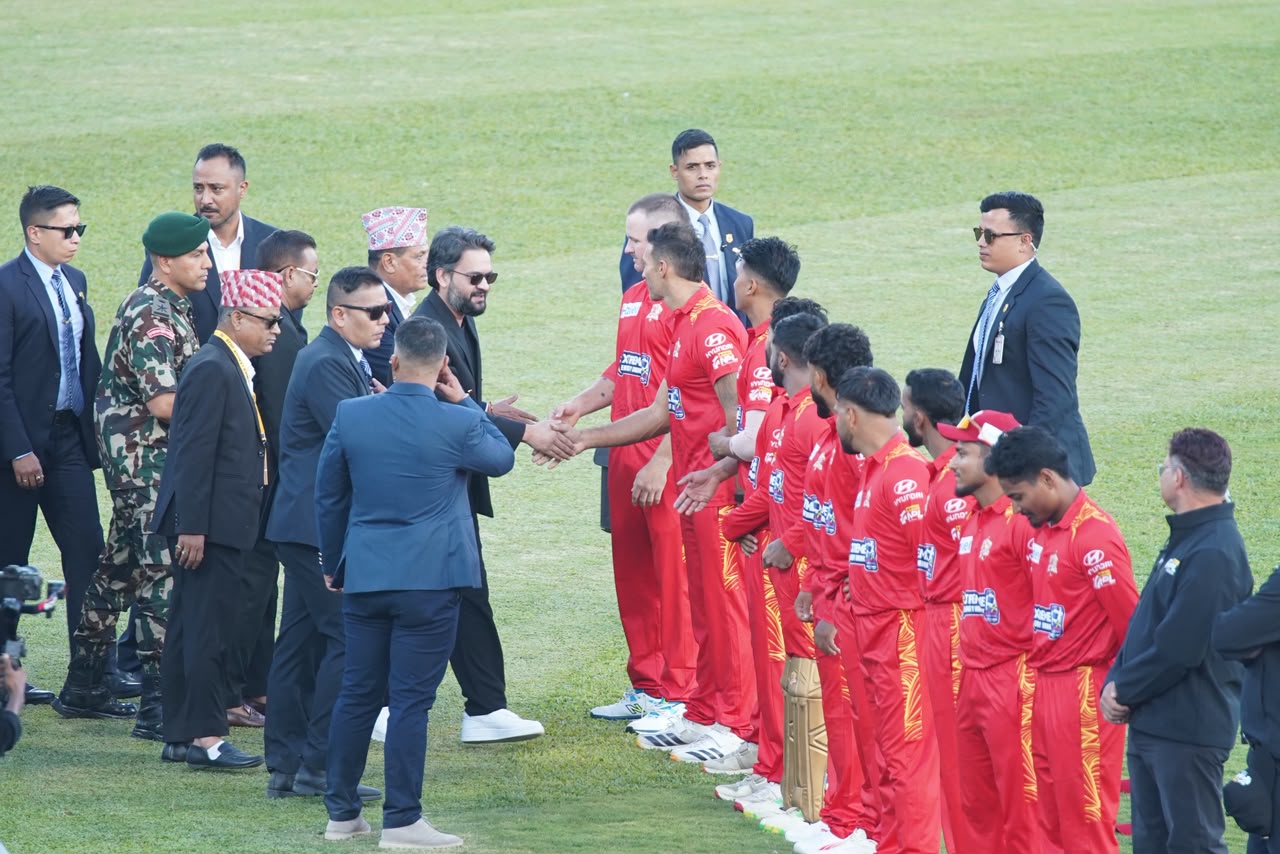
The third edition of the Siddhartha Bank Nepal Premier League is being staged at the Tribhuvan University International Cricket Ground in Kirtipur. With eight franchise teams competing in 32 matches, the tournament is building on the momentum generated by the inaugural edition in 2024 and the subsequent growth of the competition. Source: NPL 2026 season preview
From a Domestic Tournament to an International Cricketing Platform
The inaugural NPL, held from November 30 to December 21, 2024, marked an important milestone in Nepal’s sporting history. It introduced a new franchise-based platform that combined domestic cricketing talent with international participation, attracting considerable public interest and demonstrating the commercial potential of cricket in Nepal. The tournament also helped strengthen Nepal’s cricketing identity beyond its traditional fan base.
The enthusiasm of spectators, the growing reach of digital broadcasting, and the involvement of overseas players demonstrated that Nepal has the potential to develop a competitive and commercially sustainable cricket league.
The third edition builds on that foundation. With the International Cricket Council (ICC) officially sanctioning the 2026 tournament, the NPL has gained an important layer of international recognition. This development is expected to strengthen the league’s credibility and support its ambitions to attract greater international participation and investment.
International Stars Raise the Competitive Standard
One of the most significant developments in the 2026 edition is the stronger international player pool. The tournament features prominent overseas names, including Andre Russell, David Warner, Moeen Ali, Shakib Al Hasan, Angelo Mathews, Sikandar Raza and David Miller.
Their participation increases the league’s international appeal while giving Nepali cricketers opportunities to learn from players with extensive experience in high-pressure competitions around the world.
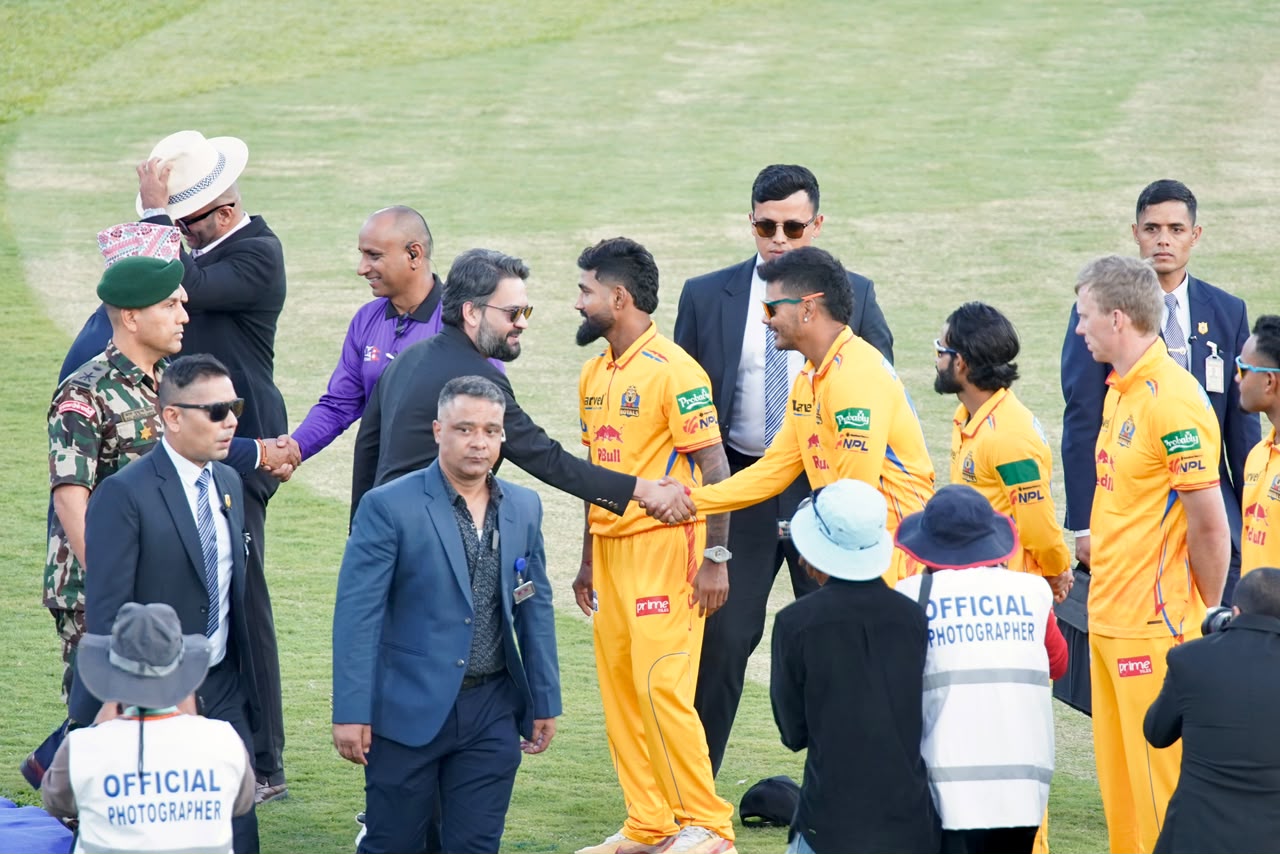
For young Nepali players, sharing a dressing room and competing on the same field as established international stars can offer lessons that go beyond technical ability. It provides exposure to professional preparation, tactical decision-making, fitness standards, leadership, and the mental demands of competitive T20 cricket.
The overseas player quota has also increased from six to eight players per franchise. Nevertheless, each playing XI must include at least seven Nepali cricketers, preserving the league’s domestic development focus while raising the overall level of competition. The 2026 season also introduces the Decision Review System (DRS) for the first time, bringing another important element of international-standard match management to the tournament. Source: NPL 2026 season preview
Broadcasting and Commercial Growth
The future of a professional cricket league depends not only on what happens on the field but also on its ability to attract viewers, sponsors, broadcasters, and long-term investment.
The NPL’s commercial development is therefore an important indicator of Nepal’s growing sporting ambitions. For the 2026 edition, the Cricket Association of Nepal (CAN) awarded media and ticketing rights to NetTV, Himalaya Television Network and eSewa under agreements with a combined fixed value of NPR 33.53 crore. NetTV secured worldwide over-the-top streaming rights, Himalaya Television obtained domestic television broadcasting rights, and eSewa became the ticketing partner. Source: NPL media-rights announcement
These arrangements represent a significant opportunity to expand the league’s audience, improve access for fans, and build a stronger commercial foundation for Nepali cricket.
A successful broadcasting strategy can also help Nepali players become more visible to international audiences. Over time, greater visibility may attract additional sponsors, improve franchise valuations, create employment opportunities, and encourage investment in coaching, infrastructure and grassroots cricket.
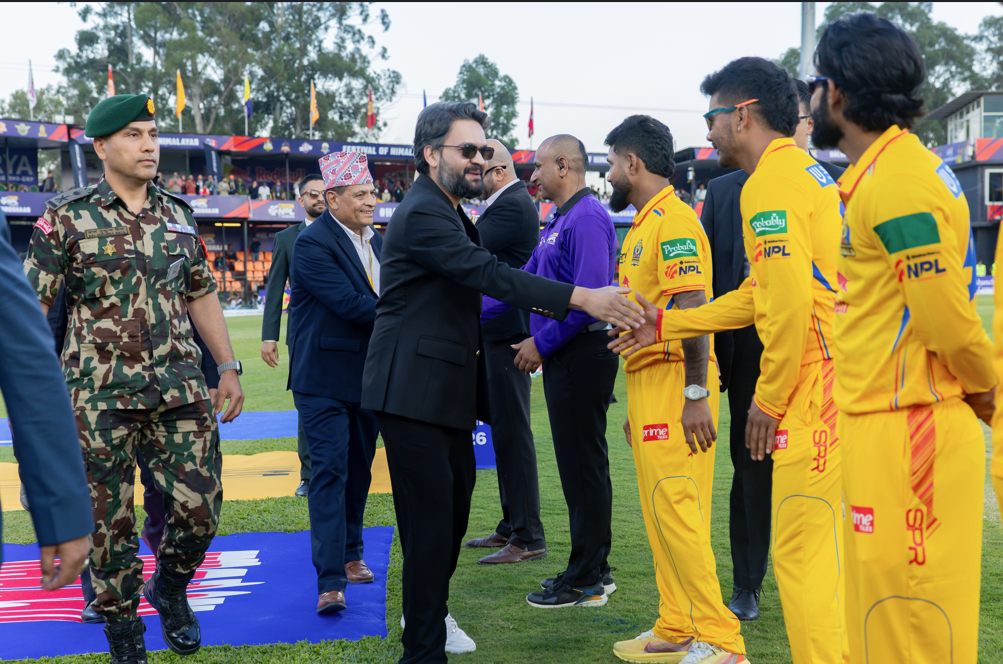
However, sustained growth will depend on consistent production quality, transparent governance, reliable scheduling, competitive matches, and a positive experience for spectators.
Nepal–India Cricket Cooperation: An Opportunity for Shared Growth
India, one of the world’s most influential cricketing nations, can play an important role in supporting Nepal’s cricketing development. The two countries share a deep sporting connection, and India’s extensive experience in franchise cricket, broadcasting, commercial partnerships, coaching and player development offers valuable opportunities for collaboration.
The growth of the NPL creates several possible avenues for closer cooperation. These include knowledge-sharing between cricket administrators, training opportunities for emerging players, coaching exchanges, improved sports infrastructure, commercial partnerships, and collaboration between broadcasters and sponsors.
Indian cricketing institutions, franchises, businesses and technical experts could contribute to the development of Nepal’s domestic cricket ecosystem through structured partnerships. Such cooperation could help Nepali players gain access to professional expertise while allowing Nepal to build a stronger and more self-sustaining cricket industry.
At the same time, Nepal’s cricketing identity should remain rooted in its own talent, institutions and ambitions. International collaboration is most valuable when it strengthens domestic capacity and creates lasting opportunities for local players, coaches, officials and businesses. With its growing audience and passionate supporters, Nepal has the potential to become a valuable partner in the wider South Asian cricketing ecosystem.
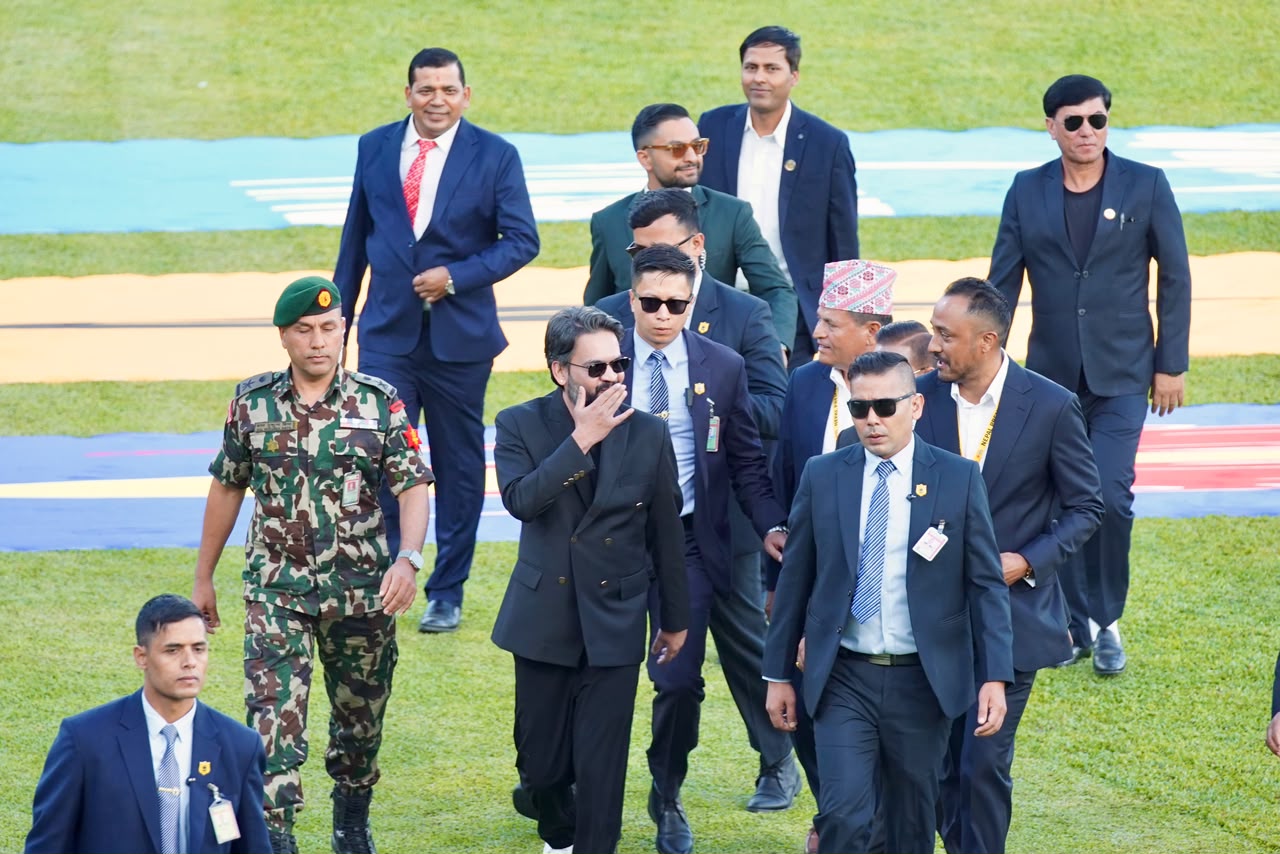
Can Nepal Become a Major International Cricket Destination?
The ambition to host more high-profile international cricket matches is a natural next step for Nepal. The NPL provides a platform to demonstrate the country’s organisational capabilities, spectator enthusiasm and readiness to stage increasingly competitive events.
Nevertheless, establishing Nepal as a regular destination for major international fixtures will require sustained investment in stadium facilities, pitch preparation, player accommodation, transport, security, crowd management and broadcast infrastructure.
The ICC’s sanctioning of the third NPL edition is an encouraging development, but it should not be confused with automatic approval to host other ICC events or bilateral international matches. Those opportunities will depend on the relevant governing bodies, venue standards, scheduling arrangements and formal approvals. Continued investment in Kirtipur and other cricketing facilities, alongside stronger domestic competitions and international partnerships, could help Nepal move closer to that ambition.
Beyond the League: Building a Sustainable Cricketing Future
The long-term success of the NPL should be measured not only by the popularity of individual seasons but also by its contribution to the future of Nepali cricket.
A sustainable league must create pathways from school and grassroots cricket to professional competition. It must support women’s cricket, strengthen age-group programmes, improve coaching standards, and ensure that promising players from outside major urban centres have opportunities to develop.
The league also has the potential to stimulate tourism, hospitality, transport, media production and other local businesses. If managed effectively, it can become an important sporting and economic event that benefits a wider section of Nepali society.
For the Cricket Association of Nepal, the challenge is to convert the league’s growing visibility into measurable progress: stronger domestic structures, better facilities, transparent administration, financial sustainability and improved international competitiveness.
Conclusion: A Defining Opportunity for Nepali Cricket
The third edition of the Nepal Premier League is more than a domestic T20 tournament. It is an opportunity for Nepal to demonstrate its cricketing potential, expand its international profile and establish a stronger foundation for professional sport.
The combination of international players, ICC recognition, improved technology, commercial investment and enthusiastic supporters provides a promising platform for the league’s continued development.
India’s experience and regional influence could be valuable in this journey, particularly through practical cooperation in player development, coaching, broadcasting and commercial partnerships. Such collaboration, alongside support from the ICC and other cricketing nations, could help Nepal strengthen its position in international cricket.
Ultimately, the NPL’s greatest achievement will not simply be the success of a particular franchise or season. It will be its ability to produce stronger Nepali players, create sustainable sporting opportunities and inspire the next generation.
As the third edition continues in Kirtipur, Nepal has an opportunity to turn growing enthusiasm into lasting progress and to build a cricketing future that earns recognition well beyond its borders.